API reference topic study – thoughts

Last month, I published a summary of my dissertation study and I wanted to summarize some of the thoughts that the study results provoked. My first thought was that my experiment was broken. I had four distinctly different versions of each topic yet saw no significant difference between them in the time participants took to determine the relevance of the topic to the task scenario. Based on all the literature about how people read on the web and the importance of headings and in-page navigation cues in web documents, I expected to see at least some difference. But, no.

The other finding that surprised me was the average length of time that participants spent evaluating the topics. Whether the topic was relevant or not, participants reviewed a topic for an average of about 44 seconds before they decided its relevance. This was interesting for several reasons.

  1. In web time, 44 seconds is an eternity–long enough to read the topic completely, if not several times. Farhad Manjoo wrote a great article about how people read Slate articles online, which agrees with the widely-held notion that people don’t read online. However, API reference topics appear to be different than Slate articles and other web content, which is probably a good thing for both audiences.
  2. The average time spend reading a reference topic to determine its relevance in my study was the same whether the topic was relevant to the scenario or not. I would have expected them to be different–the non-relevant topics taking longer than the relevant ones on the assumption that readers would spend more time looking for an answer. But no. They seemed to take about 44 seconds to decide whether the topic would apply or not in both cases.

While, these findings are interesting, and bear further investigation, they point out the importance of readers’ contexts and tasks when considering page content and design. In this case, changing one aspect of a document’s design can improve one metric (e.g. information details and decision speed) at the cost of degrading others (credibility and appearance).

The challenges then become:

  1. Finding ways to understand the audience and their tasks better to know what’s important to them
  2. Finding ways to measure the success of the content in helping accomplishing those tasks

I’m taking a stab at those in the paper I’ll be presenting at the HCII 2015 conference, next month.
API reference topic study – summary results

During November and December, 2014, I ran a study to test how varying the design and content of an API reference topic influenced participants’ time to decide if the topic was relevant to a scenario.

Summary

  • I collected data from 698 individual task scenarios were from 201 participants.
  • The shorter API reference topics were assessed 20% more quickly than the longer ones, but were less credible and were judged to have a less professional appearance than the longer ones.
  • The API reference topics with more design elements were not assessed any more quickly than those with only a few design elements, but the topics with more design elements were more credible and judged to have a more professional appearance.
  • Testing API documentation isn’t that difficult (now that I know how to do it, anyway).

The most unexpected result, based on the literature, was how the variations of visual design did not significantly influence the decision time. Another surprise was how long the average decision time was–almost 44 seconds, overall. That’s more than long enough to read the entire topic. Did they scan or read? Unfortunately, I couldn’t tell from my study.

Details

The experiment measured how quickly participants assessed the relevance of an API reference topic to a task-based programming scenario. Each participant was presented with four task scenarios:  There were two scenarios for each task: one to which the topic applied and another to which the topic was not relevant and each participant saw two of each. There were four variations of each API reference topic; however, each participant only saw one–they had no way to compare one variation to another.

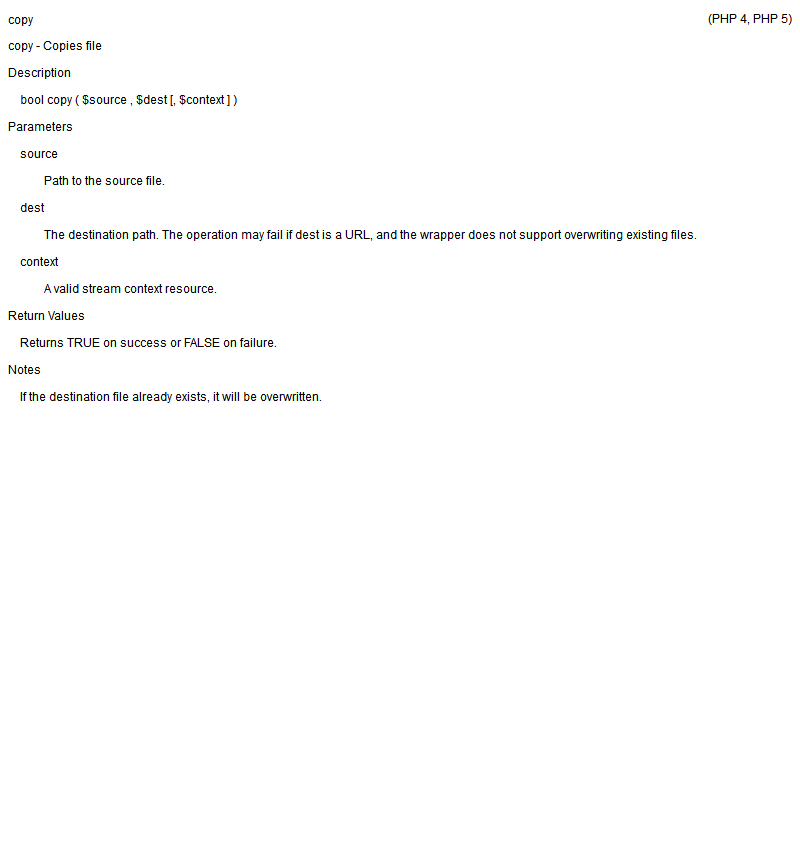
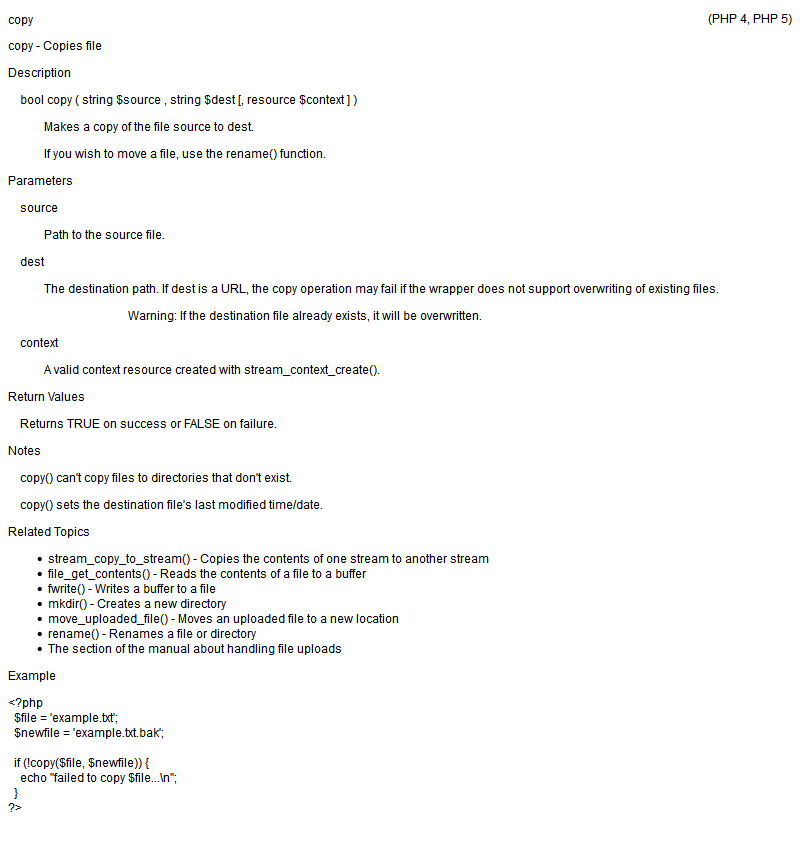
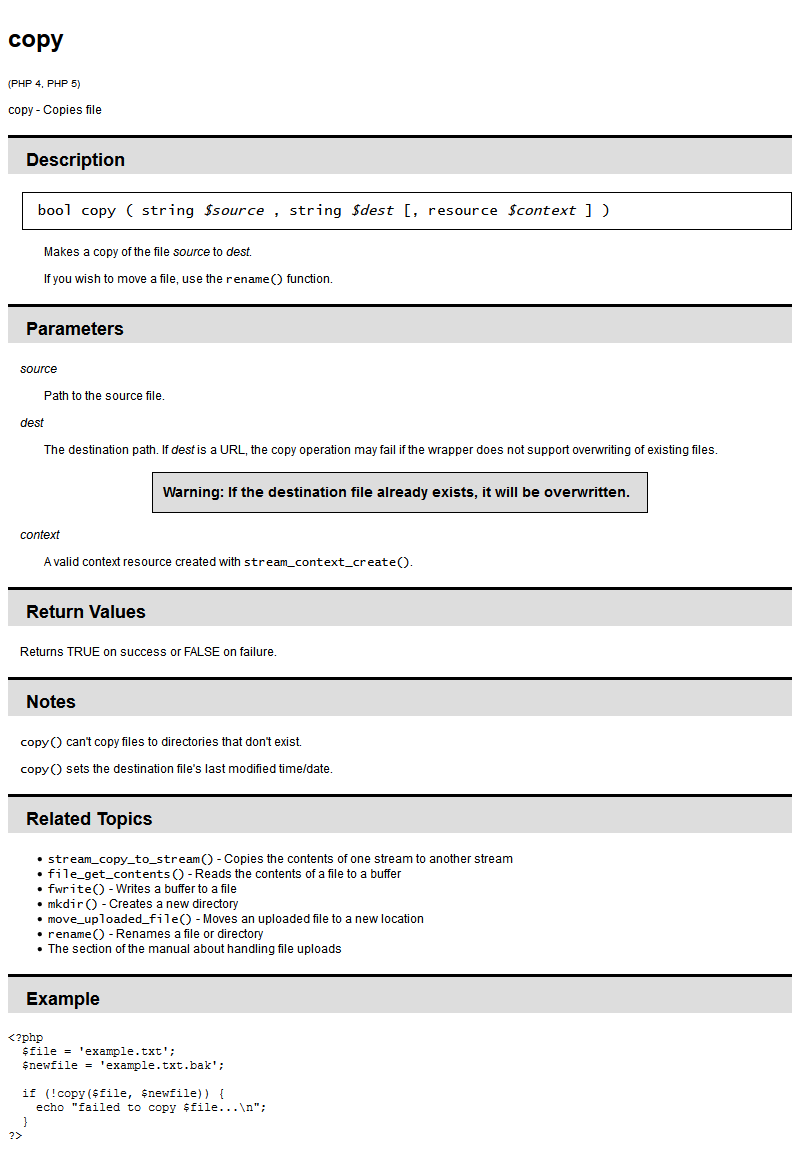
The four variations of API reference topics resulted from two levels of visual design and two levels of the amount of information presented in the topic.

Low visual design High visual design Findings:
Information variations
High
information
copy_ld_hi copy_hd_hi
  • Higher credibility
  • More professional appearance
Low
information
copy_ld_lo copy_hd_lo
  • Lower credibility
  • Less professional appearance
Findings:
Design variations
  • Faster decision time
  • Lower credibility
  • Less professional appearance
  • Slower decision time
  • Higher credibility
  • More professional appearance

Continue reading “API reference topic study – summary results”